The security challenge is becoming more difficult and uncertain as the business gravitates towards 2026. Conventional security solutions can no longer be used to secure contemporary workplaces, property, and individuals. A combination of more physical threats, computer risks, and internal vulnerabilities are now posing smarter challenges to businesses that require smarter planning by their businesses.
One security breach has the potential to cause loss of money, use and negative publicity. This is the reason why security is no longer optional, but a basic business process. Organizations with early investment in effective security systems stand at a more advantageous position to expand with a lot of safety. Here, in this post, we will discuss security strategies for 2026.
Learning about Contemporary Business Security Threats.
Physical Security Threats
Physical threats remain to be a significant issue to businesses of any size. The usual risk in both commercial and industrial settings is break-ins, vandalism, theft and workplace violence. Retail outlets are subject to shoplifting, offices are subject to unauthorized access, and warehouses are at the risk of inventory theft.
Criminals do not have a hard time getting targets without any security in sight. Access controls, surveillance systems and trained security personnel are very important in mitigating these risks. Physical security is not only the security of property but of a safe environment of the employees and visitors.
Cybersecurity Threats
There is an increasing rapidity of cyber threats. Phishing, ransomware, malware, and data breaches have the ability to shut down business operations in a few minutes. Working remotely and the use of cloud systems has increased the area of attack by hackers. Small businesses have become the very targets as well.
Best Security Measures that Companies should adopt.
Risk Assessment and Security Audit.
A risk assessment is the beginning of every successful security plan. Enterprises need to find weak points in their physical premises, computer networks, and processes. A professional analysis offers straightforward information and assists to prioritize security investments. Businesses cannot develop efficient protection measures without the knowledge of risks.
Implementation of State-of-the-art Security Technology.
Contemporary day security is dependent on a high level of technology. HD-CCTV, smart access control, bio, and machine-learned surveillance are becoming a norm. Such technologies contribute to identifying suspicious behavior in time and giving the correct evidence in case of incidents.
Trained Security Personnel
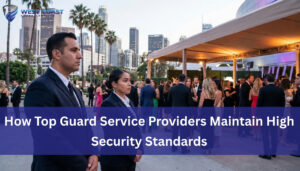
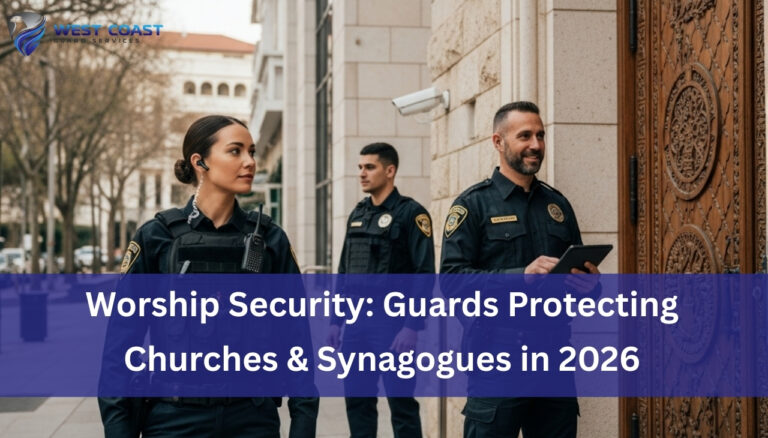
It is not possible to have technology without professional people. Security staff are trained on-ground security personnel and provide immediate response. Depending on the level of risk, businesses need to adopt armed and unarmed guards. Different security solutions are needed in commercial buildings, events, residential communities, and VIP clients.
Emergency Preparedness and Response Plans
Emergency response strategies should be clear at the businesses. Life is saved through evacuation, fire safety exercises, and first-aid preparedness. Response plans to cyber incidence reduce loss of data and downtimes. Frequency of drills will make the employees aware of what they should do when faced with a life threatening situation.
Awareness of Employees and Training.
The first line of defense is usually the employees. They might inadvertently cause a security gap without having the right awareness. Employees are made aware of suspicious behavior, phishing, and safety risks through the training programs. Reporting procedures should be clear to inspire promptness.
Mobile & Remote Monitoring
Security operations are made flexible in terms of mobile patrols and remote monitoring. Patrol units have the ability to cover large areas efficiently and to respond to alarms very fast. Cloud based surveillance systems enable the business owners to monitor the facilities anytime and anywhere.
Security Recommendations: Industry-Specific.
Retail & Mall Security
Shopping places need effective theft control and crowd control. Shoplifting is minimized and customer safety increases because of visible security guards, CCTV cover, and access controls. Crowd control is necessary during rush periods and other sales offs.
Office and Commercial Building.
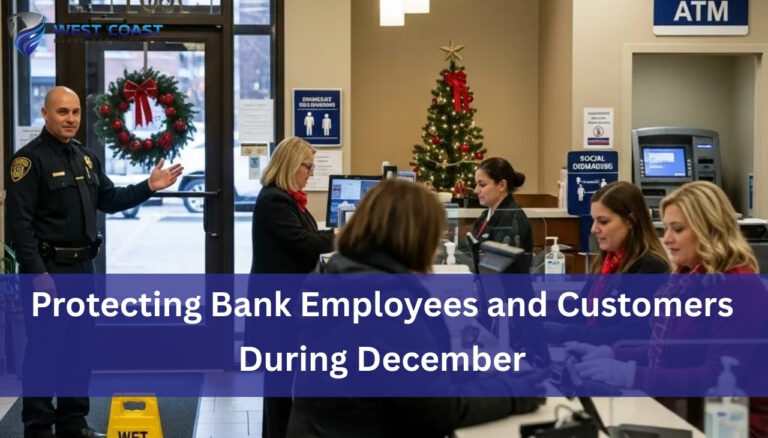
The office buildings should also be oriented toward visitor management and access control. Unauthorized entry is blocked by ID systems, reception screening and restricted area access. Surveillance systems provide security to the employees and conserve important business data.
Events & VIP Protection
Security planning is necessary on events and high profile people. Discrete protection, threat evaluation and crowd control are important. Security personnel (trained) are in place to facilitate smooth running of events without much risk. VIP security is concentrated on individual security, confidentiality, and quick reaction.
Residential and Apartment Complexes.
Community security and peace of mind are the concerns of residential security. Crime is mitigated by gated access, round the clock surveillance and security guards. Security measures are in place to secure the residents and property through the use of surveillance systems and regulated access points.
Conclusion
To face security challenges in 2026, planning, investing, and committing are required. Businesses need to respond to the physical, cyber, and internal threats in a balanced manner. Effective security is based on risk assessments, advanced technology, trained personnel and awareness by employees.
Specific strategies of the industry also increase protection. Active attitude towards security minimizes risks, secures assets and promotes sustainable development. It is time to start working on your business security plan to remain safe, resilient and future-proof.